
Un toxidrome Toxidrome A toxidrome describes a group of signs, symptoms, and/or characteristic effects associated with exposure to a particular substance or class of substances. General Principles of Toxidromes es un grupo de signos y síntomas clínicos asociados a una ingestión o exposición tóxica. Existen 5 toxidromes Toxidromes A toxidrome is a group of clinical signs and symptoms associated with a toxic ingestion or exposure. There are 5 traditional toxidromes: anticholinergic, cholinergic, opioid, sympathomimetic, and sedative-hypnotic. General Principles of Toxidromes tradicionales: anticolinérgico, colinérgico, opioide, simpaticomimético y sedante-hipnótico. Los LOS Neisseria toxidromes Toxidromes A toxidrome is a group of clinical signs and symptoms associated with a toxic ingestion or exposure. There are 5 traditional toxidromes: anticholinergic, cholinergic, opioid, sympathomimetic, and sedative-hypnotic. General Principles of Toxidromes suelen surgir por la ingestión de cantidades excesivas de sustancias, la elevada acumulación de ellas a nivel sérico, reacciones adversas o interacciones entre 2 o más medicamentos. El reconocimiento rápido de un toxidrome Toxidrome A toxidrome describes a group of signs, symptoms, and/or characteristic effects associated with exposure to a particular substance or class of substances. General Principles of Toxidromes puede ayudar a determinar el veneno específico o la clase de toxina que se ha HA Hemolytic anemia (HA) is the term given to a large group of anemias that are caused by the premature destruction/hemolysis of circulating red blood cells (RBCs). Hemolysis can occur within (intravascular hemolysis) or outside the blood vessels (extravascular hemolysis). Hemolytic Anemia ingerido. Ante la presentación de un probable toxidrome Toxidrome A toxidrome describes a group of signs, symptoms, and/or characteristic effects associated with exposure to a particular substance or class of substances. General Principles of Toxidromes, se inicia la evaluación adecuada de las vías respiratorias, la respiración y la circulación. Se realiza la descontaminación y se estabiliza al AL Amyloidosis paciente. El diagnóstico se efectúa con los LOS Neisseria hallazgos clínicos basados en EN Erythema nodosum is an immune-mediated panniculitis (inflammation of the subcutaneous fat) caused by a type IV (delayed-type) hypersensitivity reaction. It commonly manifests in young women as tender, erythematous nodules on the shins. Erythema Nodosum los LOS Neisseria antecedentes de medicamentos y exposición, los LOS Neisseria signos vitales, el estado mental y la exploración física. Las pruebas generalmente incluyen toxicología y niveles de drogas, electrolitos y ECG ECG An electrocardiogram (ECG) is a graphic representation of the electrical activity of the heart plotted against time. Adhesive electrodes are affixed to the skin surface allowing measurement of cardiac impulses from many angles. The ECG provides 3-dimensional information about the conduction system of the heart, the myocardium, and other cardiac structures. Electrocardiogram (ECG). El tratamiento consiste en EN Erythema nodosum is an immune-mediated panniculitis (inflammation of the subcutaneous fat) caused by a type IV (delayed-type) hypersensitivity reaction. It commonly manifests in young women as tender, erythematous nodules on the shins. Erythema Nodosum cuidados de apoyo y administración de antídotos si está indicado.
Last updated: Dec 15, 2025
Un toxidrome Toxidrome A toxidrome describes a group of signs, symptoms, and/or characteristic effects associated with exposure to a particular substance or class of substances. General Principles of Toxidromes consiste en EN Erythema nodosum is an immune-mediated panniculitis (inflammation of the subcutaneous fat) caused by a type IV (delayed-type) hypersensitivity reaction. It commonly manifests in young women as tender, erythematous nodules on the shins. Erythema Nodosum un grupo de signos, síntomas y/o efectos característicos asociados a la exposición a una determinada sustancia o clase de sustancias.
Las pruebas dependen de la situación clínica y no deben retrasar el inicio de los LOS Neisseria cuidados de soporte. Estos incluyen, pero no se limitan a:
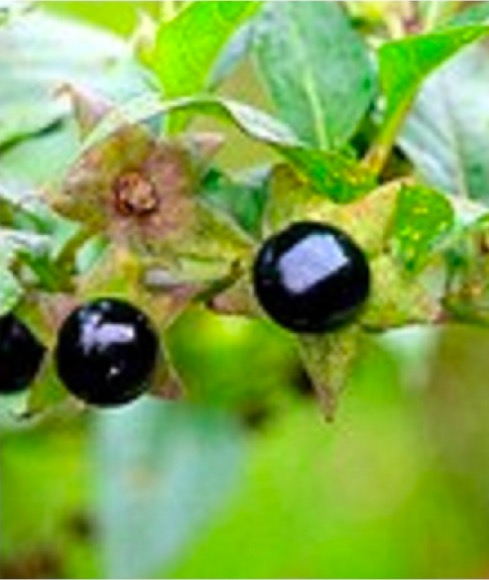
Bayas de Atropa belladona
Imagen: “Berries of Atropa belladonna” por Intensive Care Unit, Mother and Child Hospital, University Hospital Hassan II, Fes, Morrocco. Licencia: CC BY 2.0Signos y síntomas:
Enfoque diagnóstico:
Sospechar en EN Erythema nodosum is an immune-mediated panniculitis (inflammation of the subcutaneous fat) caused by a type IV (delayed-type) hypersensitivity reaction. It commonly manifests in young women as tender, erythematous nodules on the shins. Erythema Nodosum pacientes con las características anteriores.
Signos y síntomas:
Enfoque diagnóstico:
Se puede emplear la mnemotecnia “SLUDGE BBB” ( en EN Erythema nodosum is an immune-mediated panniculitis (inflammation of the subcutaneous fat) caused by a type IV (delayed-type) hypersensitivity reaction. It commonly manifests in young women as tender, erythematous nodules on the shins. Erythema Nodosum inglés) para recordar los LOS Neisseria efectos muscarínicos:
Se puede emplear la mnemotecnia “DUMBELS” ( en EN Erythema nodosum is an immune-mediated panniculitis (inflammation of the subcutaneous fat) caused by a type IV (delayed-type) hypersensitivity reaction. It commonly manifests in young women as tender, erythematous nodules on the shins. Erythema Nodosum inglés) para recordar los LOS Neisseria efectos muscarínicos:
Se puede emplear la mnemotecnia “MTWTF” ( en EN Erythema nodosum is an immune-mediated panniculitis (inflammation of the subcutaneous fat) caused by a type IV (delayed-type) hypersensitivity reaction. It commonly manifests in young women as tender, erythematous nodules on the shins. Erythema Nodosum inglés) para recordar los LOS Neisseria efectos nicotínicos:
Características:
Enfoque diagnóstico:
Estimulación nerviosa simpática por:
Características (signos de exceso de efectos simpaticos):
Causas comunes de muerte:
Diagnóstico:
| Simpaticomiméticos | Anticolinérgico | Colinérgico | Sedante-hipnótico | Opioides | |
|---|---|---|---|---|---|
| Ritmo cardíaco/presión arterial | ↑↑ | ↑↑ | ↓↓ | ↓ | ↓ |
| Frecuencia respiratoria | ↑ | ↑ | ↓ | – o ↓ | ↓↓ |
| Temperatura | ↑ | ↑↑ | ↓ | – | – |
| Ojos | Midriasis Midriasis Pupil: Physiology and Abnormalities | Midriasis Midriasis Pupil: Physiology and Abnormalities | Miosis Miosis Pupil: Physiology and Abnormalities | – | Miosis Miosis Pupil: Physiology and Abnormalities |
| Piel/secreciones | Diaforético | Seco | Copiosamente mojado | Normal | – |
| Estado mental | Agitado | Agitado | Somnoliento | Somnolencia-coma | Somnolencia-coma |