Domina Conceptos Médicos

Estudia para la escuela de medicina y tus examenes con Lecturio.

Enfermedad de Alzheimer

Como la causa más común de demencia, la enfermedad de Alzheimer afecta no solo a muchas personas, sino también a sus familias. La enfermedad de Alzheimer es una enfermedad neurodegenerativa progresiva que causa atrofia cerebral y se presenta con una disminución de la memoria, cognición y habilidades sociales. Se han descrito varios defectos genéticos y factores de riesgo, aunque en EN Erythema nodosum is an immune-mediated panniculitis (inflammation of the subcutaneous fat) caused by a type IV (delayed-type) hypersensitivity reaction. It commonly manifests in young women as tender, erythematous nodules on the shins. Erythema Nodosum la mayoría de los LOS Neisseria casos no existe una causa clara de la enfermedad. Las principales características patológicas observadas son placas neuríticas, depósitos extracelulares de péptidos amiloides y ovillos neurofibrilares. Las características clínicas son deterioro de la memoria, pérdida de la función ejecutiva y del juicio, deterioro de la función cognitiva y cambios de comportamiento. El diagnóstico se basa en EN Erythema nodosum is an immune-mediated panniculitis (inflammation of the subcutaneous fat) caused by a type IV (delayed-type) hypersensitivity reaction. It commonly manifests in young women as tender, erythematous nodules on the shins. Erythema Nodosum el examen clínico, las pruebas neuropsiquiátricas y mediante imagenología. No existe una terapia curativa, pero el tratamiento sintomático con medicamentos puede retrasar la progresión de la enfermedad; estos incluyen inhibidores de la colinesterasa, el antagonista del receptor Receptor Receptors are proteins located either on the surface of or within a cell that can bind to signaling molecules known as ligands (e.g., hormones) and cause some type of response within the cell. Receptors de N-metil-D-aspartato memantina y un anticuerpo monoclonal anti-amiloide aprobado recientemente.

Last updated: Dec 15, 2025

Editorial responsibility: Stanley Oiseth, Lindsay Jones, Evelin Maza

Descripción General

Definición

La enfermedad de Alzheimer es una enfermedad neurodegenerativa progresiva que causa atrofia cerebral y una disminución de la cognición, memoria y habilidades sociales.

Epidemiología

  • Principal causa de demencia en EN Erythema nodosum is an immune-mediated panniculitis (inflammation of the subcutaneous fat) caused by a type IV (delayed-type) hypersensitivity reaction. It commonly manifests in young women as tender, erythematous nodules on the shins. Erythema Nodosum adultos > 65 años
  • Incidencia: mujeres > hombres
  • La incidencia aumenta exponencialmente después de los LOS Neisseria 65 años.
  • Prevalencia de la enfermedad de Alzheimer después de los LOS Neisseria 70 años en EN Erythema nodosum is an immune-mediated panniculitis (inflammation of the subcutaneous fat) caused by a type IV (delayed-type) hypersensitivity reaction. It commonly manifests in young women as tender, erythematous nodules on the shins. Erythema Nodosum los LOS Neisseria Estados Unidos: 9,7%
  • Enfermedad de Alzheimer familiar llamada enfermedad de Alzheimer de “aparición temprana”:
    • Rara (< 1% de los LOS Neisseria casos)
    • Causada por mutaciones genéticas
    • Autosómico dominante

Etiología

Aunque se desconoce la causa de la enfermedad de Alzheimer, se han identificado varios defectos genéticos y múltiples factores de riesgo.

  • Factores genéticos:
    • Gen de la proteína precursora del amiloide:
      • Localizado en EN Erythema nodosum is an immune-mediated panniculitis (inflammation of the subcutaneous fat) caused by a type IV (delayed-type) hypersensitivity reaction. It commonly manifests in young women as tender, erythematous nodules on the shins. Erythema Nodosum el cromosoma 21
      • Asociado con aproximadamente el 1% de todos los LOS Neisseria casos de enfermedad de Alzheimer de aparición temprana y el 0,1% del total de casos de enfermedad de Alzheimer
      • La edad de inicio de la enfermedad de Alzheimer en EN Erythema nodosum is an immune-mediated panniculitis (inflammation of the subcutaneous fat) caused by a type IV (delayed-type) hypersensitivity reaction. It commonly manifests in young women as tender, erythematous nodules on the shins. Erythema Nodosum individuos con esta mutación es de 45–66 años.
    • Mutación de presenilina-1 ( PSEN1 PSEN1 Integral membrane protein of golgi and endoplasmic reticulum. Its homodimer is an essential component of the gamma-secretase complex that catalyzes the cleavage of membrane proteins such as notch receptors and amyloid beta-peptides precursors. Psen1 mutations cause early-onset alzheimer disease type 3 that may occur as early as 30 years of age in humans. Alzheimer Disease):
      • Localizado en EN Erythema nodosum is an immune-mediated panniculitis (inflammation of the subcutaneous fat) caused by a type IV (delayed-type) hypersensitivity reaction. It commonly manifests in young women as tender, erythematous nodules on the shins. Erythema Nodosum el cromosoma 14
      • Vinculado al AL Amyloidosis 50% de todos los LOS Neisseria casos de enfermedad de Alzheimer familiar
      • Edad de inicio: 28–62 años
    • Mutación de presenilina-2 ( PSEN2 PSEN2 Integral membrane protein of golgi and endoplasmic reticulum. Its homodimer is an essential component of the gamma-secretase complex that catalyzes the cleavage of membrane proteins such as notch receptors and amyloid beta-peptides precursors. Psen2 mutations cause alzheimer disease type 4. Alzheimer Disease ):
      • Localizado en EN Erythema nodosum is an immune-mediated panniculitis (inflammation of the subcutaneous fat) caused by a type IV (delayed-type) hypersensitivity reaction. It commonly manifests in young women as tender, erythematous nodules on the shins. Erythema Nodosum el cromosoma 1
      • Causa la presentación más rara de la enfermedad de Alzheimer familiar
      • Edad de inicio: 40–85 años
    • Mutación del gen de la apolipoproteína E:
      • Localizado en EN Erythema nodosum is an immune-mediated panniculitis (inflammation of the subcutaneous fat) caused by a type IV (delayed-type) hypersensitivity reaction. It commonly manifests in young women as tender, erythematous nodules on the shins. Erythema Nodosum el cromosoma 19
      • Puede aumentar el riesgo de enfermedad de Alzheimer al AL Amyloidosis afectar la eliminación de beta-amiloide en EN Erythema nodosum is an immune-mediated panniculitis (inflammation of the subcutaneous fat) caused by a type IV (delayed-type) hypersensitivity reaction. It commonly manifests in young women as tender, erythematous nodules on the shins. Erythema Nodosum el cerebro
      • La edad de inicio es posterior a las enumeradas anteriormente (> 60 años).
  • Otros factores de riesgo:
    • Edad
    • Antecedentes familiares de la enfermedad de Alzheimer
    • Traumatismo craneoencefálico
    • Privación del sueño
    • Diabetes Diabetes Diabetes mellitus (DM) is a metabolic disease characterized by hyperglycemia and dysfunction of the regulation of glucose metabolism by insulin. Type 1 DM is diagnosed mostly in children and young adults as the result of autoimmune destruction of β cells in the pancreas and the resulting lack of insulin. Type 2 DM has a significant association with obesity and is characterized by insulin resistance. Diabetes Mellitus
    • Dislipidemia
    • Obesidad
    • Hipertensión
    • Aterosclerosis periférica

Fisiopatología

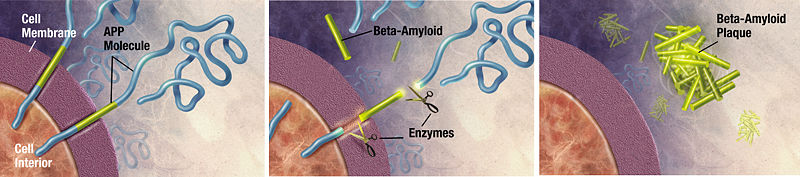
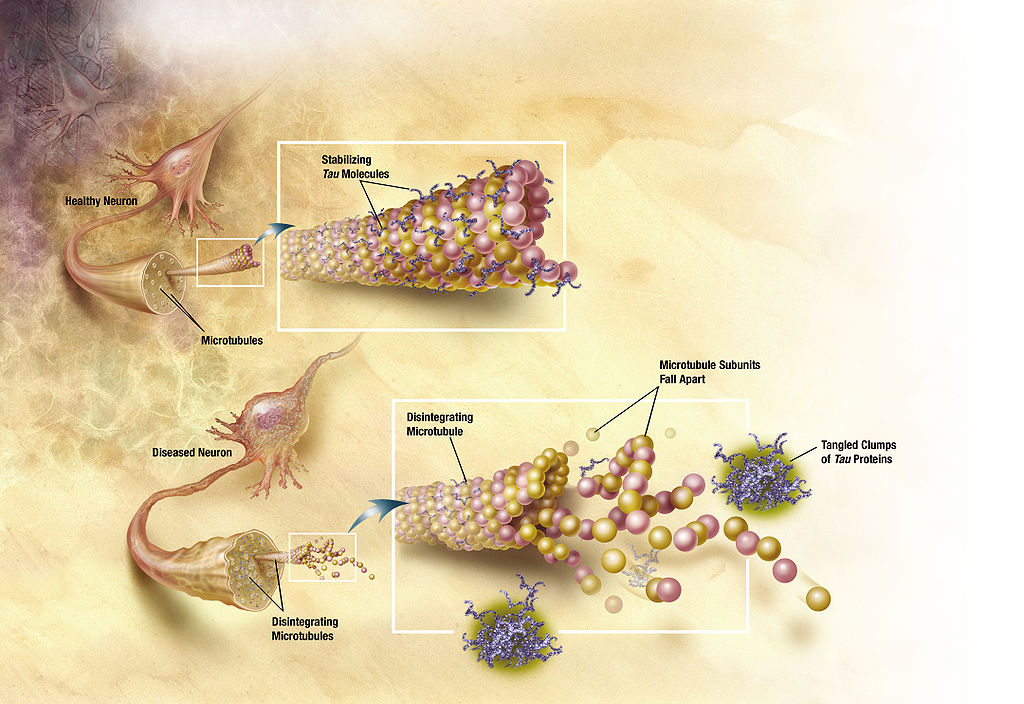
La patogenia de la enfermedad de Alzheimer no está clara; sin embargo, hay un aumento en EN Erythema nodosum is an immune-mediated panniculitis (inflammation of the subcutaneous fat) caused by a type IV (delayed-type) hypersensitivity reaction. It commonly manifests in young women as tender, erythematous nodules on the shins. Erythema Nodosum los LOS Neisseria péptidos beta-amiloides y agregación de la proteína tau.
  • Vías probablemente involucradas en EN Erythema nodosum is an immune-mediated panniculitis (inflammation of the subcutaneous fat) caused by a type IV (delayed-type) hypersensitivity reaction. It commonly manifests in young women as tender, erythematous nodules on the shins. Erythema Nodosum la enfermedad de Alzheimer:
    • Las mutaciones en EN Erythema nodosum is an immune-mediated panniculitis (inflammation of the subcutaneous fat) caused by a type IV (delayed-type) hypersensitivity reaction. It commonly manifests in young women as tender, erythematous nodules on the shins. Erythema Nodosum los LOS Neisseria genes Genes A category of nucleic acid sequences that function as units of heredity and which code for the basic instructions for the development, reproduction, and maintenance of organisms. DNA Types and Structure PSEN1 PSEN1 Integral membrane protein of golgi and endoplasmic reticulum. Its homodimer is an essential component of the gamma-secretase complex that catalyzes the cleavage of membrane proteins such as notch receptors and amyloid beta-peptides precursors. Psen1 mutations cause early-onset alzheimer disease type 3 that may occur as early as 30 years of age in humans. Alzheimer Disease o PSEN2 PSEN2 Integral membrane protein of golgi and endoplasmic reticulum. Its homodimer is an essential component of the gamma-secretase complex that catalyzes the cleavage of membrane proteins such as notch receptors and amyloid beta-peptides precursors. Psen2 mutations cause alzheimer disease type 4. Alzheimer Disease pueden aumentar la producción de amiloide o formas neurotóxicas de la proteína beta-amiloide que se encuentran fuera de las neuronas.
    • Tau (ayuda en EN Erythema nodosum is an immune-mediated panniculitis (inflammation of the subcutaneous fat) caused by a type IV (delayed-type) hypersensitivity reaction. It commonly manifests in young women as tender, erythematous nodules on the shins. Erythema Nodosum el ensamblaje y la estabilización de los LOS Neisseria microtúbulos): hiperfosforilación → agregación → formación helicoidal anormal de tau → se encuentra dentro de ovillos neurofibrilares
  • Cambios patológicos macroscópicos:
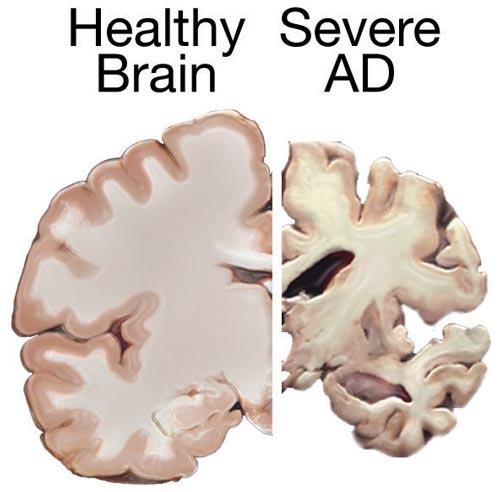
    • Atrofia cortical con ensanchamiento de los LOS Neisseria surcos cerebrales
    • Agrandamiento ventricular compensatorio
  • Cambios patológicos microscópicos hallados en EN Erythema nodosum is an immune-mediated panniculitis (inflammation of the subcutaneous fat) caused by a type IV (delayed-type) hypersensitivity reaction. It commonly manifests in young women as tender, erythematous nodules on the shins. Erythema Nodosum el hipocampo:
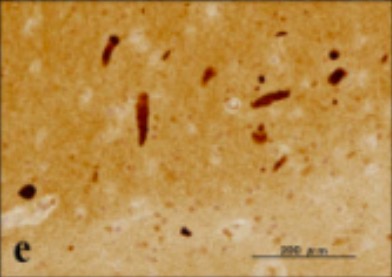
    • Ovillos neurofibrilares = haces de filamentos en EN Erythema nodosum is an immune-mediated panniculitis (inflammation of the subcutaneous fat) caused by a type IV (delayed-type) hypersensitivity reaction. It commonly manifests in young women as tender, erythematous nodules on the shins. Erythema Nodosum el citoplasma de las neuronas
      • Filamentos helicoidales pares que contienen proteína tau hiperfosforilada
      • La gravedad de la enfermedad de Alzheimer se correlaciona directamente con el número de ovillos neurofibrilares.
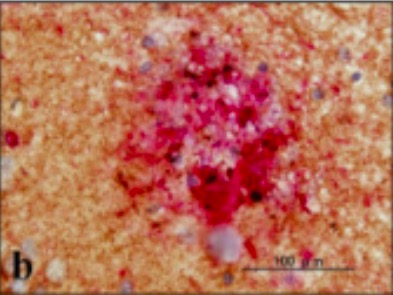
    • Placas “neuríticas” de beta-amiloide = colecciones esféricas focales de procesos neuríticos que se tiñen con plata
    • Angiopatía amiloide → degeneración granulovacuolar
  • Disminución de acetilcolina → disminución de la capacidad cognitiva
  • Los LOS Neisseria estudios de autopsia en EN Erythema nodosum is an immune-mediated panniculitis (inflammation of the subcutaneous fat) caused by a type IV (delayed-type) hypersensitivity reaction. It commonly manifests in young women as tender, erythematous nodules on the shins. Erythema Nodosum personas > 85 años muestran hallazgos patológicos de la enfermedad de Alzheimer en EN Erythema nodosum is an immune-mediated panniculitis (inflammation of the subcutaneous fat) caused by a type IV (delayed-type) hypersensitivity reaction. It commonly manifests in young women as tender, erythematous nodules on the shins. Erythema Nodosum ⅓ de individuos sin diagnóstico clínico de demencia antes de la muerte.
    • Más de la mitad de los LOS Neisseria cerebros de casos de enfermedad de Alzheimer muestran “patología mixta” o cambios cerebrales de ≥ 1 otras causas de demencia.
    • La enfermedad cerebrovascular concomitante es común.
    • También se observa la enfermedad por cuerpos de Lewy.
cerebro de alzheimer

Representación de la patología macroscópica observada con la enfermedad de Alzheimer

Imagen: “Alzheimers brain” por National Institutes of Health. Licencia: Dominio Público
Presentación Clínica

Entrevistar a los LOS Neisseria miembros de la familia es esencial para obtener antecedentes de cambios cognitivos y conductuales.

Deterioro de la memoria

El deterioro de la memoria es el síntoma temprano más común de la enfermedad de Alzheimer.

  • Descrito como amnesia episódica anterógrada a largo plazo
  • Comienzo insidioso con progresión gradual lenta
  • En EN Erythema nodosum is an immune-mediated panniculitis (inflammation of the subcutaneous fat) caused by a type IV (delayed-type) hypersensitivity reaction. It commonly manifests in young women as tender, erythematous nodules on the shins. Erythema Nodosum las primeras etapas de la presentación: la memoria episódica se ve VE Ventilation: Mechanics of Breathing afectada = memoria de eventos que ocurren en EN Erythema nodosum is an immune-mediated panniculitis (inflammation of the subcutaneous fat) caused by a type IV (delayed-type) hypersensitivity reaction. It commonly manifests in young women as tender, erythematous nodules on the shins. Erythema Nodosum tiempo y espacio
  • En EN Erythema nodosum is an immune-mediated panniculitis (inflammation of the subcutaneous fat) caused by a type IV (delayed-type) hypersensitivity reaction. It commonly manifests in young women as tender, erythematous nodules on the shins. Erythema Nodosum etapas posteriores del deterioro de la memoria afecta:
    • Aprendizaje procedimental y memoria remota
    • Memoria semántica = memoria para hechos, vocabulario y conceptos
    • Recuerdos inmediatos

Deterioro de la función ejecutiva y del juicio

  • El deterioro sutil a prominente ocurre en EN Erythema nodosum is an immune-mediated panniculitis (inflammation of the subcutaneous fat) caused by a type IV (delayed-type) hypersensitivity reaction. It commonly manifests in young women as tender, erythematous nodules on the shins. Erythema Nodosum la enfermedad de Alzheimer temprana.
  • Disminuye la capacidad para completar tareas
  • La reducción de la percepción hacia un déficit ( anosognosia Anosognosia Alzheimer Disease) ↑ con el tiempo
  • Asociado con cambios de comportamiento

Deterioro en EN Erythema nodosum is an immune-mediated panniculitis (inflammation of the subcutaneous fat) caused by a type IV (delayed-type) hypersensitivity reaction. It commonly manifests in young women as tender, erythematous nodules on the shins. Erythema Nodosum los LOS Neisseria dominios cognitivos

  • Desarrollo y progresión insidiosa
  • Deficiencias espaciovisuales: se observan relativamente tempranas en EN Erythema nodosum is an immune-mediated panniculitis (inflammation of the subcutaneous fat) caused by a type IV (delayed-type) hypersensitivity reaction. It commonly manifests in young women as tender, erythematous nodules on the shins. Erythema Nodosum la enfermedad
  • Déficits del lenguaje y afasia progresiva primaria: manifestación más tardía

Deterioro de la función motora

  • Apraxia Apraxia A group of cognitive disorders characterized by the inability to perform previously learned skills that cannot be attributed to deficits of motor or sensory function. The two major subtypes of this condition are ideomotor and ideational apraxia, which refers to loss of the ability to mentally formulate the processes involved with performing an action. For example, dressing apraxia may result from an inability to mentally formulate the act of placing clothes on the body. Apraxias are generally associated with lesions of the dominant parietal lobe and supramarginal gyrus. Cranial Nerve Palsies = dificultad para realizar movimientos intencionados
    • Generalmente, ocurre después de que son evidentes los LOS Neisseria déficits en EN Erythema nodosum is an immune-mediated panniculitis (inflammation of the subcutaneous fat) caused by a type IV (delayed-type) hypersensitivity reaction. It commonly manifests in young women as tender, erythematous nodules on the shins. Erythema Nodosum la memoria y el lenguaje
    • Inicialmente, presentan dificultad para realizar actividades complejas de múltiples pasos
    • Más tarde → dificultad para vestirse, para utilizar utensilios y otras tareas del cuidado personal
  • Marcha arrastrando los LOS Neisseria pies con rigidez muscular generalizada
  • Lentitud y torpeza de movimiento

Síntomas conductuales y psicológicos

  • Trastornos del sueño
  • Apatía/desconexión social
  • Irritabilidad
  • Agitación, agresión, deambulación y psicosis: causa dificultad para los LOS Neisseria familiares
  • Delirios en EN Erythema nodosum is an immune-mediated panniculitis (inflammation of the subcutaneous fat) caused by a type IV (delayed-type) hypersensitivity reaction. It commonly manifests in young women as tender, erythematous nodules on the shins. Erythema Nodosum etapas posteriores: temas comunes de robo, infidelidad o identificación errónea

Otros signos y síntomas

  • Convulsiones focales no motoras con alteración de la conciencia (generalmente en EN Erythema nodosum is an immune-mediated panniculitis (inflammation of the subcutaneous fat) caused by a type IV (delayed-type) hypersensitivity reaction. It commonly manifests in young women as tender, erythematous nodules on the shins. Erythema Nodosum las últimas etapas) en EN Erythema nodosum is an immune-mediated panniculitis (inflammation of the subcutaneous fat) caused by a type IV (delayed-type) hypersensitivity reaction. It commonly manifests in young women as tender, erythematous nodules on the shins. Erythema Nodosum el 10%–20% de los LOS Neisseria casos
  • Disfunción olfativa

Diagnóstico

La duración típica de la enfermedad de Alzheimer sintomática es de 8–10 años, pero el curso varía de 1 a 25 años.
Antecedentes y examen físico

Guías de diagnóstico del National Institute on Aging and the Alzheimer’s Association (NIA-AA)

  • Criterios diagnósticos iniciales presentados en EN Erythema nodosum is an immune-mediated panniculitis (inflammation of the subcutaneous fat) caused by a type IV (delayed-type) hypersensitivity reaction. It commonly manifests in young women as tender, erythematous nodules on the shins. Erythema Nodosum 1984, revisados en EN Erythema nodosum is an immune-mediated panniculitis (inflammation of the subcutaneous fat) caused by a type IV (delayed-type) hypersensitivity reaction. It commonly manifests in young women as tender, erythematous nodules on the shins. Erythema Nodosum el 2011:
    • Reconocen que la enfermedad de Alzheimer se presenta en EN Erythema nodosum is an immune-mediated panniculitis (inflammation of the subcutaneous fat) caused by a type IV (delayed-type) hypersensitivity reaction. It commonly manifests in young women as tender, erythematous nodules on the shins. Erythema Nodosum un espectro con una etapa preclínica, seguida de un deterioro cognitivo temprano y luego una demencia marcada
    • Amplían los LOS Neisseria criterios más allá de la pérdida de memoria a otros aspectos cognitivos
  • Los LOS Neisseria criterios para la demencia probable por enfermedad de Alzheimer requieren la presencia de demencia y:
    • La interferencia con la capacidad para desempeñarse correctamente en EN Erythema nodosum is an immune-mediated panniculitis (inflammation of the subcutaneous fat) caused by a type IV (delayed-type) hypersensitivity reaction. It commonly manifests in young women as tender, erythematous nodules on the shins. Erythema Nodosum el trabajo o en EN Erythema nodosum is an immune-mediated panniculitis (inflammation of the subcutaneous fat) caused by a type IV (delayed-type) hypersensitivity reaction. It commonly manifests in young women as tender, erythematous nodules on the shins. Erythema Nodosum las actividades cotidianas
    • Disminución de un nivel anterior de funcionamiento
    • No explicado por delirio o por un trastorno psiquiátrico mayor
    • Deterioro cognitivo establecido por la toma de antecedentes del paciente y un cuidador bien informado
    • Deterioro cognitivo que involucra ≥ 2 de los LOS Neisseria siguientes:
      • Deterioro de la capacidad para adquirir y recordar nueva información
      • Deterioro del razonamiento y manejo de tareas complejas, juicio pobre
      • Deterioro de las habilidades espaciovisuales
      • Funciones del lenguaje alteradas
      • Cambios en EN Erythema nodosum is an immune-mediated panniculitis (inflammation of the subcutaneous fat) caused by a type IV (delayed-type) hypersensitivity reaction. It commonly manifests in young women as tender, erythematous nodules on the shins. Erythema Nodosum la personalidad, comportamiento o conducta
    • Otros criterios clínicos:
      • Inicio insidioso
      • Antecedentes claros de progresión
      • Los LOS Neisseria déficits cognitivos iniciales y más prominentes son la memoria, el lenguaje o los LOS Neisseria déficits cognitivos espaciovisuales.
      • Ningún otro diagnóstico claro de demencia vascular, demencia por cuerpos de Lewy o demencia frontotemporal

Otras pruebas

  • Laboratorios para evaluar otras causas de demencia:
    • Hemograma
    • Química sanguínea
    • Función tiroidea
    • Vitamina B12
  • Imagenología para descartar otras patologías
    • Hallazgos en EN Erythema nodosum is an immune-mediated panniculitis (inflammation of the subcutaneous fat) caused by a type IV (delayed-type) hypersensitivity reaction. It commonly manifests in young women as tender, erythematous nodules on the shins. Erythema Nodosum la resonancia magnética (RM):
      • Atrofia generalizada y focal
      • Lesiones en EN Erythema nodosum is an immune-mediated panniculitis (inflammation of the subcutaneous fat) caused by a type IV (delayed-type) hypersensitivity reaction. It commonly manifests in young women as tender, erythematous nodules on the shins. Erythema Nodosum la sustancia blanca
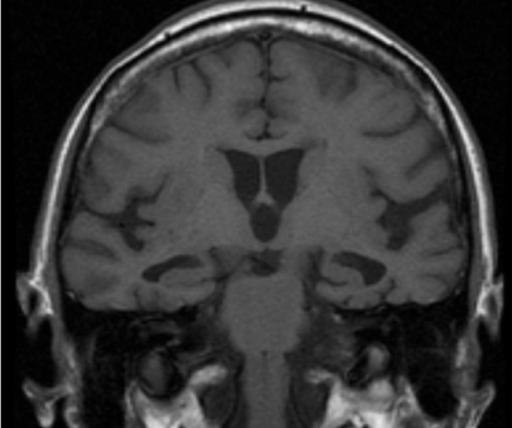
      • Reducción del volumen del hipocampo o atrofia del lóbulo temporal medial
    • Imagenología de tomografía por emisión de positrones de amiloide: los LOS Neisseria trazadores se pueden utilizar como evaluaciones cualitativas de la densidad de la placa de beta-amiloide.
bilateral hippocampal atrophy in Alzheimer's disease

Enfermedad de Alzheimer:
RMN ponderada en T1 que muestra la atrofia bilateral del hipocampo típica de la enfermedad de Alzheimer

Imagen: “F1” por Tarun Kuruvilla et al. Licencia: CC BY 3.0

Tratamiento

No existe una cura para la enfermedad de Alzheimer, pero los LOS Neisseria medicamentos pueden retrasar el deterioro funcional. Las decisiones de tratamiento individualizado se toman en EN Erythema nodosum is an immune-mediated panniculitis (inflammation of the subcutaneous fat) caused by a type IV (delayed-type) hypersensitivity reaction. It commonly manifests in young women as tender, erythematous nodules on the shins. Erythema Nodosum conjunto con los LOS Neisseria pacientes y los LOS Neisseria cuidadores después de discutir los LOS Neisseria posibles beneficios, riesgos y costos.

  • Cuidados de soporte
    • Modificaciones en EN Erythema nodosum is an immune-mediated panniculitis (inflammation of the subcutaneous fat) caused by a type IV (delayed-type) hypersensitivity reaction. It commonly manifests in young women as tender, erythematous nodules on the shins. Erythema Nodosum el estilo de vida:
      • Ciclos regulares del sueño
      • Es imperativo que el individuo deje de conducir cuando se pierde la función ejecutiva.
    • Mantener una buena salud física.
    • Entrenar la memoria (e.g., rompecabezas, juegos interactivos)
  • Tratamiento farmacológico
    • Inhibidores de la colinesterasa: utilizados con pacientes con síntomas de leves a moderados
      • Donepezilo
      • Rivastigmina
      • Galantamina
    • Antagonista de la N-metil-D-aspartato:
      • Memantina
      • Se utiliza para la demencia de moderada a grave
    • Antipsicóticos en EN Erythema nodosum is an immune-mediated panniculitis (inflammation of the subcutaneous fat) caused by a type IV (delayed-type) hypersensitivity reaction. It commonly manifests in young women as tender, erythematous nodules on the shins. Erythema Nodosum dosis bajas: solo como último recurso para controlar la agitación y las alucinaciones
    • Inhibidores selectivos de la recaptura de serotonina para tratar la depresión concomitante
    • Anticuerpo monoclonal dirigido contra la proteína beta-amiloide: aducanumab (aprobado en EN Erythema nodosum is an immune-mediated panniculitis (inflammation of the subcutaneous fat) caused by a type IV (delayed-type) hypersensitivity reaction. It commonly manifests in young women as tender, erythematous nodules on the shins. Erythema Nodosum junio 2021)
      • Para el deterioro cognitivo leve debido a la enfermedad de Alzheimer
      • Produjo una reducción sustancial en EN Erythema nodosum is an immune-mediated panniculitis (inflammation of the subcutaneous fat) caused by a type IV (delayed-type) hypersensitivity reaction. It commonly manifests in young women as tender, erythematous nodules on the shins. Erythema Nodosum los LOS Neisseria niveles de amiloide cerebral en EN Erythema nodosum is an immune-mediated panniculitis (inflammation of the subcutaneous fat) caused by a type IV (delayed-type) hypersensitivity reaction. It commonly manifests in young women as tender, erythematous nodules on the shins. Erythema Nodosum los LOS Neisseria estudios, pero los LOS Neisseria beneficios en EN Erythema nodosum is an immune-mediated panniculitis (inflammation of the subcutaneous fat) caused by a type IV (delayed-type) hypersensitivity reaction. It commonly manifests in young women as tender, erythematous nodules on the shins. Erythema Nodosum los LOS Neisseria puntos finales clínicos han sido inconsistentes
      • Ejemplos:
        • Aducanumab (aprobado 2021)
        • Lecanemab (aprobado en EN Erythema nodosum is an immune-mediated panniculitis (inflammation of the subcutaneous fat) caused by a type IV (delayed-type) hypersensitivity reaction. It commonly manifests in young women as tender, erythematous nodules on the shins. Erythema Nodosum 2023)
  • Pruebas genéticas en EN Erythema nodosum is an immune-mediated panniculitis (inflammation of the subcutaneous fat) caused by a type IV (delayed-type) hypersensitivity reaction. It commonly manifests in young women as tender, erythematous nodules on the shins. Erythema Nodosum familias con antecedentes de enfermedad de Alzheimer de aparición temprana

Diagnóstico Diferencial

  • Demencia vascular: también conocida como demencia multiinfarto. La demencia vascular es causada por un daño a los LOS Neisseria vasos sanguíneos y afecta a varias partes del cerebro. La afección se presenta con declive cognitivo abrupto y posteriormente deterioro gradual. Los LOS Neisseria déficits focales asimétricos son el sello distintivo de esta enfermedad. Los LOS Neisseria defectos lacunares se ven en EN Erythema nodosum is an immune-mediated panniculitis (inflammation of the subcutaneous fat) caused by a type IV (delayed-type) hypersensitivity reaction. It commonly manifests in young women as tender, erythematous nodules on the shins. Erythema Nodosum la tomografía computarizada (TC)/RM. El tratamiento incluye la reducción de los LOS Neisseria factores de riesgo y el control de la hipertensión, diabetes Diabetes Diabetes mellitus (DM) is a metabolic disease characterized by hyperglycemia and dysfunction of the regulation of glucose metabolism by insulin. Type 1 DM is diagnosed mostly in children and young adults as the result of autoimmune destruction of β cells in the pancreas and the resulting lack of insulin. Type 2 DM has a significant association with obesity and is characterized by insulin resistance. Diabetes Mellitus, hiperlipidemia y la recomendación de dejar de fumar.
  • Demencia por cuerpos de Lewy: la demencia, alucinaciones visuales, parkinsonismo, fluctuaciones cognitivas, disautonomía, trastornos del sueño y la sensibilidad neuroléptica son los LOS Neisseria principales síntomas de la demencia por cuerpos de Lewy. Es diagnosticada por lesiones atróficas blancas observadas en EN Erythema nodosum is an immune-mediated panniculitis (inflammation of the subcutaneous fat) caused by a type IV (delayed-type) hypersensitivity reaction. It commonly manifests in young women as tender, erythematous nodules on the shins. Erythema Nodosum la RM. El tratamiento es de soporte.
  • Demencia frontotemporal: trastorno neuropatológico y clínicamente heterogéneo caracterizado por degeneración focal de los LOS Neisseria lóbulos frontales y/o temporales. La demencia frontotemporal se manifiesta entre los LOS Neisseria 45 y los LOS Neisseria 70 años. La variante conductual es la más común y se presenta como cambios tempranos en EN Erythema nodosum is an immune-mediated panniculitis (inflammation of the subcutaneous fat) caused by a type IV (delayed-type) hypersensitivity reaction. It commonly manifests in young women as tender, erythematous nodules on the shins. Erythema Nodosum el comportamiento y apatía. El aumento de la proteína beta-amiloide es el principal indicador de la demencia frontotemporal y los LOS Neisseria cambios en EN Erythema nodosum is an immune-mediated panniculitis (inflammation of the subcutaneous fat) caused by a type IV (delayed-type) hypersensitivity reaction. It commonly manifests in young women as tender, erythematous nodules on the shins. Erythema Nodosum el lóbulo temporal se pueden observar mediante tomografía por emisión de positrones. El tratamiento es de soporte.

Referencias

  1. Seeley, W. W., Miller, B. L. (2018). Alzheimer’s disease. In: Jameson, J.L., et al. (Eds.), Harrison’s Principles of Internal Medicine, 20th ed., vol. 2. McGraw-Hill, pp. 3108–3114.
  2. Wolk, D. A., Dickerson, B. C. (2020). Clinical features and diagnosis of Alzheimer disease. UpToDate. Retrieved August 3, 2021, from https://www.uptodate.com/contents/clinical-features-and-diagnosis-of-alzheimer-disease
  3. Keene, C. D., Montine, T. J., Kuller, L. H. (2018). Epidemiology, pathology, and pathogenesis of Alzheimer disease. UpToDate. Retrieved August 3, 2021, from https://www.uptodate.com/contents/epidemiology-pathology-and-pathogenesis-of-alzheimer-disease
  4. Lakhan, S. E. (2021). Alzheimer Disease. Medscape. Retrieved August 3, 2021, from https://emedicine.medscape.com/article/1134817
  5. Kumar, A., et al. Alzheimer disease. StatPearls. Retrieved August 3, 2021, from https://www.ncbi.nlm.nih.gov/books/NBK499922/
  6. Maccioni, R.B., González, A., Andrade, V., Cortés, N., Tapia, J.P., Guzmán-Martínez, L. (2018). Alzheimer’s disease in the perspective of neuroimmunology. Open Neurol J 12:50–56. https://www.ncbi.nlm.nih.gov/pmc/articles/PMC6040210/
  7. Atri, A. (2019). The Alzheimer’s Disease Clinical Spectrum: Diagnosis and Management. Medical Clinics of North America, vol. 103, no. 2. Elsevier, pp. 263–293. https://doi.org/10.1016/j.mcna.2018.10.009
  8. Alzheimer’s Association. (2021). Alzheimer’s disease facts and figures. https://www.alz.org/media/Documents/alzheimers-facts-and-figures.pdf

¡Crea tu cuenta gratis o inicia una sesión para seguir leyendo!

Regístrate ahora y obtén acceso gratuito a Lecturio con páginas de concepto, videos médicos y cuestionarios para tu educación médica.

User Reviews

Que tengas una sesión de estudio alegre y navideña 🎁 Ahorra 50% en todos los planes >>

Details